How Weather Exposure Affects Stone Masonry Structures
People seeking stone masonry repair often want to address damage caused by weather exposure, and local service providers can help restore and protect stone structures effectively.
Understanding how weather exposure affects stone masonry structures is essential for property owners looking to preserve the integrity and appearance of their buildings. Over time, elements like rain, snow, wind, and temperature fluctuations can cause wear and damage that may compromise the stability of stonework. Recognizing these impacts helps property owners make informed decisions about maintenance and repairs, ensuring their structures remain durable and visually appealing. Local contractors experienced in stone masonry repair are equipped to assess weather-related issues and recommend appropriate solutions to protect and restore these valuable features.
For property owners in the area, exploring how weather exposure influences stone masonry is a practical step toward safeguarding investments and maintaining curb appeal. Whether dealing with minor surface erosion or more significant structural concerns, understanding these effects can highlight the importance of timely repairs. Connecting with local service providers who specialize in stone masonry repair ensures access to expert guidance and quality work, helping to address weather-related challenges effectively and preserve the longevity of stone structures for years to come.
- Stone Masonry Restoration - property owners noticing weather-related deterioration, such as cracks or erosion, can rely on local contractors to assess and repair damage caused by weather exposure.
- Crack Repair for Stone Structures - when weather exposure leads to cracking in stone masonry, local service providers use specialized techniques to stabilize and seal affected areas.
- Masonry Repointing - structures showing signs of mortar deterioration from weather effects benefit from repointing services performed by local pros to restore integrity.
- Stone Surface Cleaning - weather exposure can cause staining or buildup on stone surfaces, and local contractors can safely clean and preserve the appearance of masonry.
- Waterproofing and Sealant Application - to prevent further weather-related damage, local service providers can apply sealants that protect stone masonry from moisture infiltration.
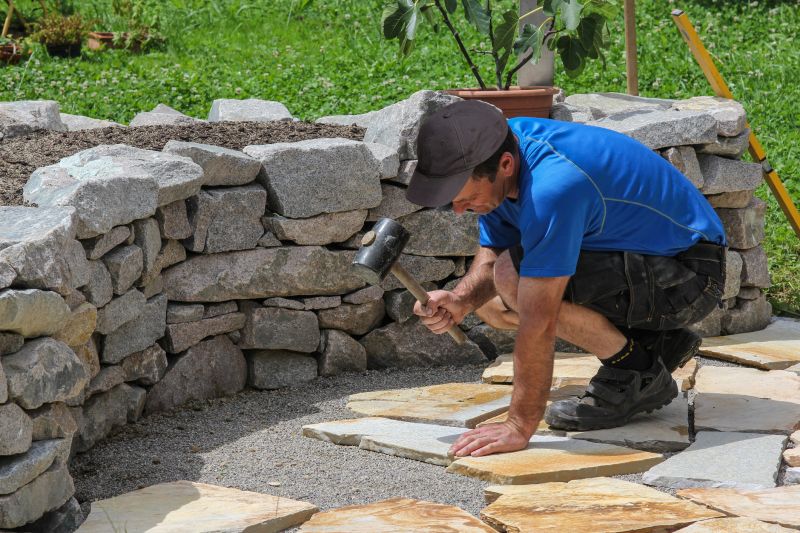
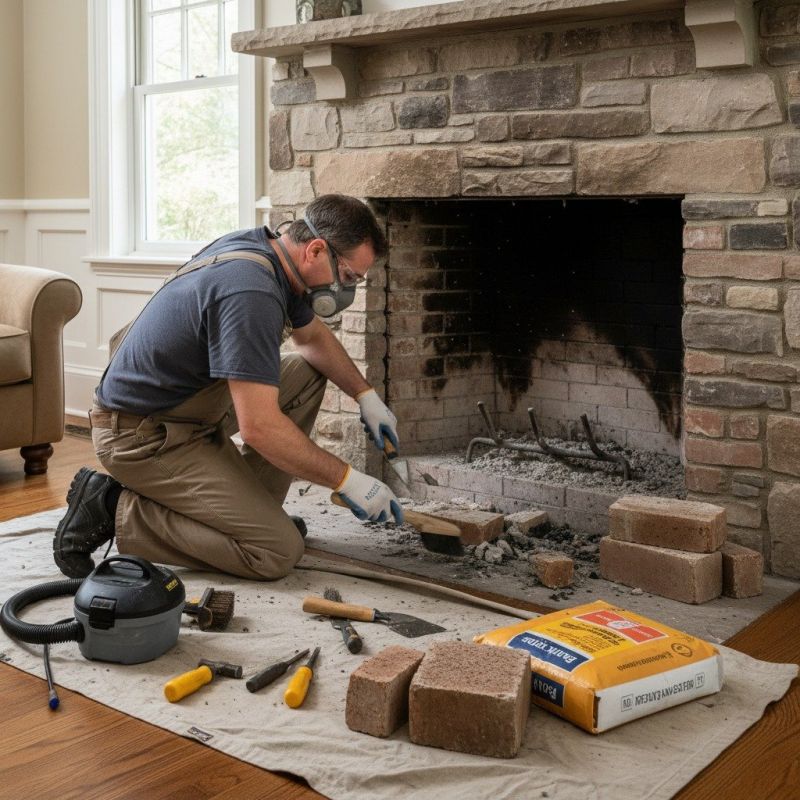
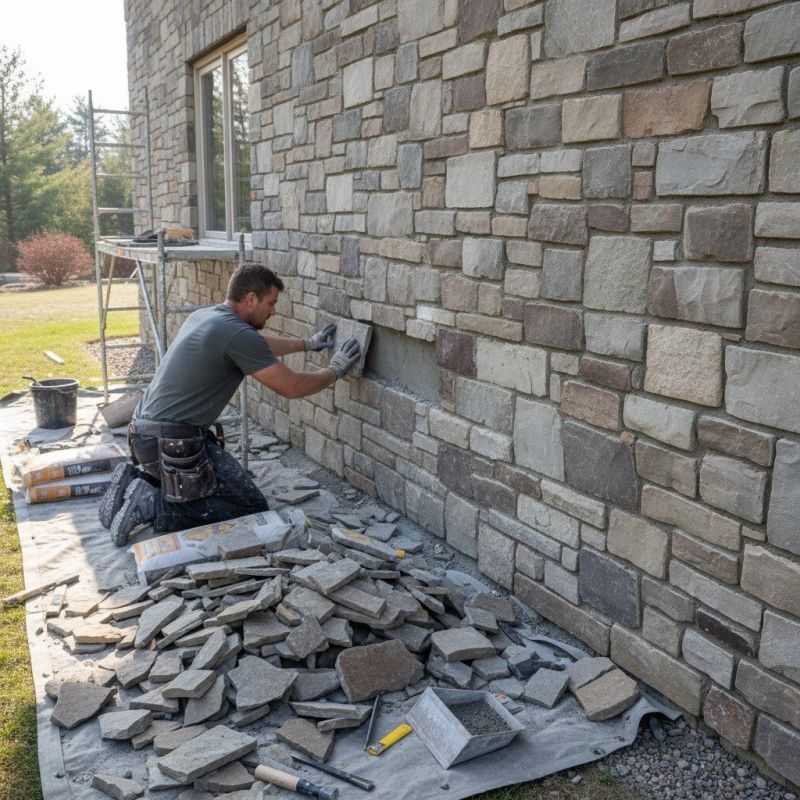
When people search for information on how weather exposure affects stone masonry structures, they are often trying to understand why their stonework is showing signs of deterioration or damage. This topic typically comes up in the context of maintaining or restoring historic buildings, decorative stone features, or outdoor masonry elements such as walls, patios, and garden ornaments. Homeowners may notice issues like cracking, spalling, or discoloration and want to learn how environmental factors contribute to these problems. Understanding the impact of weather helps them plan appropriate repairs and choose materials that can better withstand local conditions.
Weather exposure influences stone masonry in several ways, often leading to common issues that require attention from experienced service providers. Moisture infiltration is a primary concern, as water can seep into small cracks or porous surfaces, causing freeze-thaw damage when temperatures drop. This process can cause stones to crack, crumble, or flake over time. Additionally, prolonged exposure to rain, snow, or humidity can accelerate the growth of moss, mold, or algae, which can further weaken the structure. Salt or mineral deposits from weather elements can also cause staining or surface erosion, especially in coastal or areas with high mineral content in the water.
Certain properties are more susceptible to weather-related damage due to their construction, location, or the type of stone used. For example, outdoor stone walls, garden sculptures, or decorative facades are directly exposed to the elements and tend to suffer more wear and tear. Buildings situated in areas with harsh winters or high humidity levels may experience faster deterioration, especially if the stonework was not properly sealed or maintained. Porous stones like limestone or sandstone are particularly vulnerable because they absorb moisture more readily, making them more prone to damage from freeze-thaw cycles. Recognizing these property types helps homeowners understand why their stone structures might be deteriorating and how weather exposure plays a role.
Local stone masonry repair service providers are equipped to assess and address weather-related damage effectively. They can identify signs of weather-induced deterioration, such as cracking, spalling, or staining, and recommend appropriate solutions to restore the integrity and appearance of the stonework. These professionals often perform repairs like repointing, sealing, or replacing damaged stones, all aimed at minimizing future weather-related issues. By working with experienced local contractors, homeowners can ensure that their stone structures are properly protected against the effects of weather exposure. This proactive approach helps extend the lifespan of outdoor stone features and maintains their aesthetic appeal despite challenging environmental conditions.
Historical Restoration Projects - restoring historic stone buildings requires understanding weather effects on stone masonry structures and applying appropriate repair techniques.
Cultural Heritage Preservation - preserving monuments and heritage sites involves addressing weather-related deterioration and working with specialists skilled in stone conservation.
Exterior Stone Cladding Installations - installing stone cladding on building exteriors demands knowledge of weather exposure impacts and proper sealing methods to prevent damage.
Stone Pavement and Walkway Construction - constructing durable stone pathways involves planning for weather conditions that can cause erosion or cracking over time.
Waterproofing and Sealant Application - applying waterproofing treatments on stone surfaces helps protect against weather-induced moisture damage and deterioration.
Structural Reinforcement for Masonry - reinforcing aging stone structures requires expertise in assessing weather-related wear and implementing stabilization solutions.
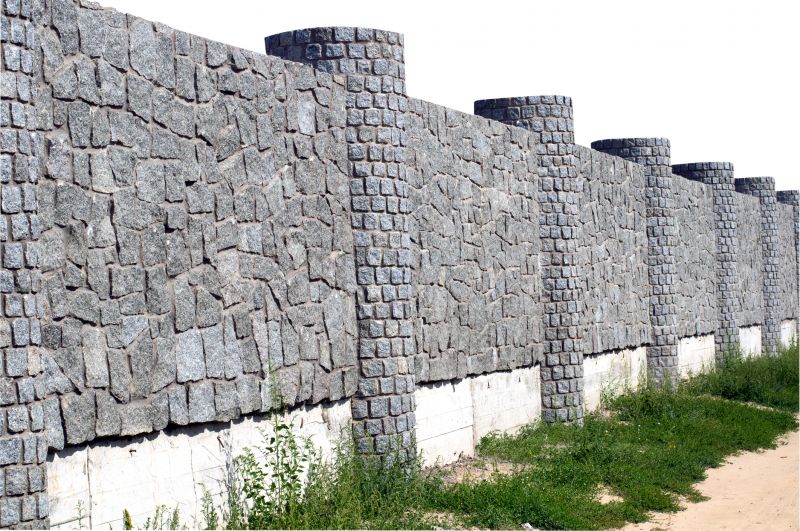
When evaluating stone masonry repair services, it is important to consider the experience of local contractors with similar projects. Repairing structures affected by weather exposure requires an understanding of how different environmental factors, such as moisture, temperature fluctuations, and freeze-thaw cycles, impact stone integrity over time. Service providers who have successfully handled projects with similar conditions are more likely to be familiar with the specific challenges involved and to know effective solutions for restoring and preserving the structure’s durability.
Clear written expectations are essential when comparing local pros for stone masonry repair. A detailed scope of work should outline the specific repairs needed, the materials to be used, and the anticipated outcomes. This transparency helps ensure that both parties have aligned goals and reduces the risk of misunderstandings. Homeowners should seek service providers who can articulate their approach clearly and provide documentation that confirms what will be addressed, especially in relation to weather-related vulnerabilities that may require specialized attention.
Reputable references and strong communication are key indicators of dependable service providers. Pros with positive references from previous clients can offer insights into their reliability, quality of work, and ability to handle the nuances of weather-related damage. Good communication throughout the process ensures that homeowners stay informed about project progress and any adjustments needed due to unforeseen weather impacts. Choosing local contractors known for transparency and responsiveness can contribute to a smoother repair experience and a better outcome for structures exposed to the elements.
Property owners often search for how weather exposure affects stone masonry structures when they are planning practical projects around their homes and businesses. Local pros provide Stone Masonry Repair services for everyday jobs and straightforward project options.
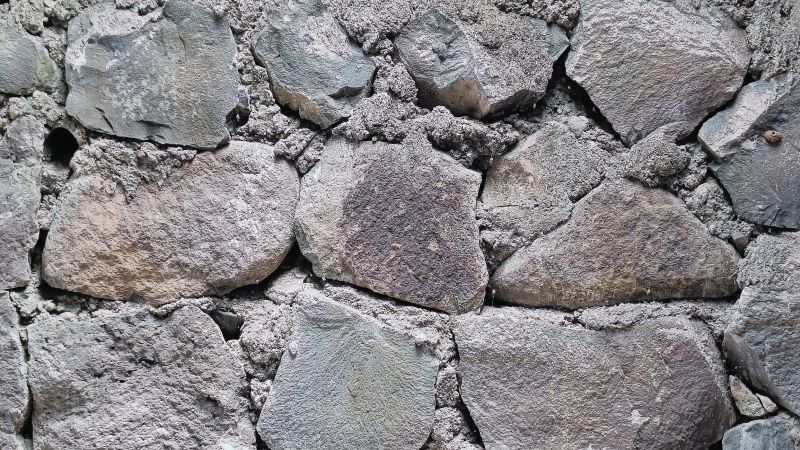
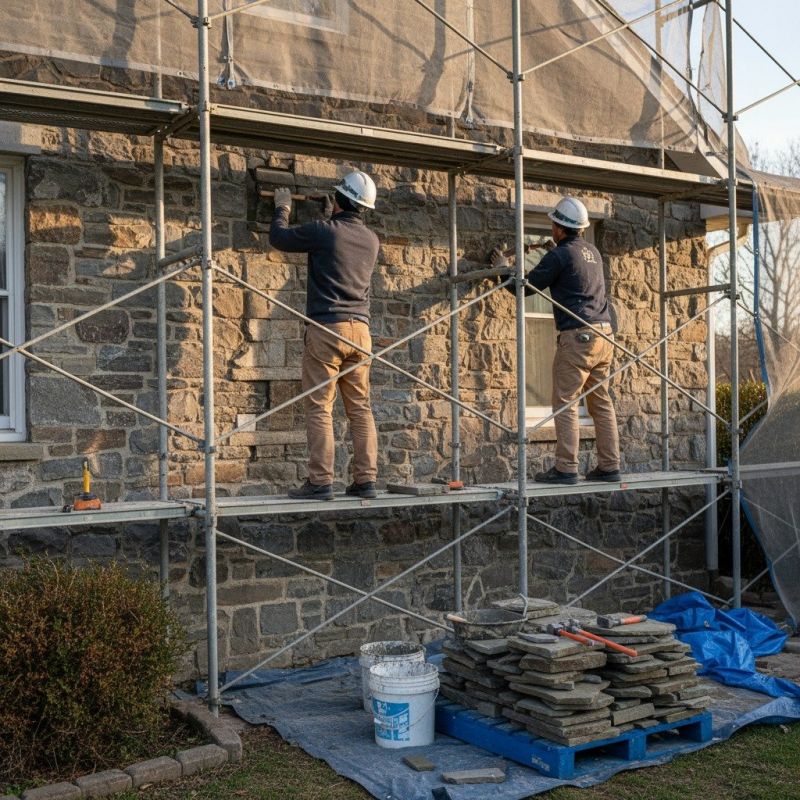
Understanding how weather exposure affects stone masonry structures is essential for property owners who want to preserve the integrity and appearance of their buildings. In our area, fluctuating temperatures, rain, and humidity can cause stones to crack, erode, or loosen over time. These effects are common in everyday projects, especially for those noticing signs of deterioration on exterior walls, chimneys, or decorative stone features. Local contractors experienced in stone masonry repair can assess these weather-related issues and recommend appropriate solutions to prevent further damage, ensuring the longevity of the structure.
Property owners often look into stone masonry repair services after observing weather-related wear and tear on their properties. Exposure to moisture can lead to staining or deterioration of the stone, while freeze-thaw cycles may cause cracks or spalling. Regular maintenance and timely repairs by skilled service providers can help address these problems before they worsen. Connecting with local contractors who understand how weather exposure impacts stone masonry structures can provide peace of mind and help maintain the property's value and aesthetic appeal.
How does weather exposure impact the durability of stone masonry structures? Weather exposure can cause stone masonry to weaken over time through processes like freeze-thaw cycles, moisture infiltration, and erosion, which local contractors can assess and repair to preserve structural integrity.
What types of damage in stone masonry are caused by weather exposure? Common damages include cracking, spalling, efflorescence, and mortar deterioration, all of which local service providers can identify and address through appropriate repair methods.
How can weather exposure lead to moisture-related issues in stone structures? Continuous exposure to moisture can lead to water infiltration, which causes internal damage, staining, and moss or mold growth, with local pros offering solutions to mitigate these effects.
What role do local contractors play in repairing weather-related damage to stone masonry? Local contractors assess weather-related damage, perform necessary repairs such as repointing, sealing, or replacing damaged stones, and help protect structures from further weather-related deterioration.
Are there preventative measures to reduce weather damage on stone masonry structures? Yes, local pros can apply protective sealants, improve drainage, and recommend maintenance practices to minimize weather exposure effects and extend the life of stone structures.
Assessing weather-related damage - property owners can work with local contractors to identify signs of weather exposure, such as cracks or erosion, early on to prevent further deterioration.
Choosing weather-resistant materials - selecting durable stone and mortar options with the help of local pros can improve a structure’s resilience against weather effects.
Implementing protective measures - property owners might consider applying sealants or barriers recommended by local contractors to shield stone masonry from moisture and temperature changes.
Planning regular inspections - scheduling routine evaluations with local pros ensures ongoing assessment of weather impact and timely repairs to maintain stone integrity.
If you are thinking about how weather exposure affects stone masonry structures for a property, this guide is meant to help you understand this topic, the typical project types, and how different options might fit your plans.
When you are ready, you can use the quote form on this page to share a few details about your project. From there, local pros can review the basics and follow up with options that match what you have in mind.